A Humidifier Solves Some Problems, While Dehumidifying Solves the Others
Their Similarities End Here
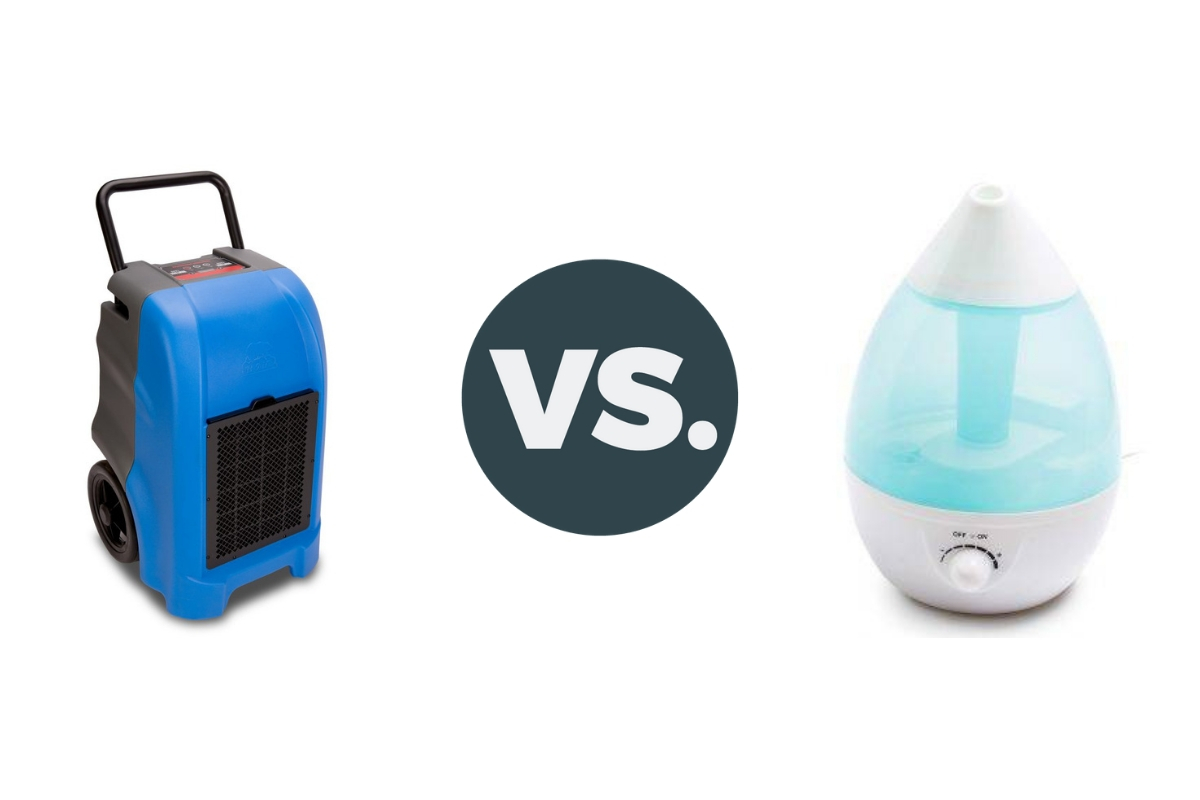
Although both dehumidifiers and humidifiers solve the same related problem, off-kilter humidity, they go about it in opposite ways. As you can tell by its name, a humidifier puts water, or‘humidity’, into the air. A dehumidifier does the opposite (find more info): its objective is to remove moisture or 'dry out' the air. The pre-existing condition of the air determines which appliance you need to use. At this point, it is simply a matter of deciding if you have too much or too little humidity - something you are in all probability very aware of
How Do I Know If I Have Too Much Humidity?
The human body is one of the leading indicators of excessive humidity. This is particularly true of allergy and asthma sufferers. High humidity can cause respiratory problems;fungal infections of the skin can also occur because of the fertile breeding environment that dampness provides. Mold spores thrive in a steamy atmosphere. Dust mites proliferate in areas of 50% humidity or above.
The human body, however, is not the only sufferer of overly humid conditions. Many mechanical devices and equipment have serious problems functioning in humid conditions, due to the water factor. In any of these examples, it is essential that humidity is removed from the air to alleviate the associated problems. There are many types of humidifiers designed especially for home or commercial use.
What about Insufficient Humidity?
Having a home or workspace devoid of sufficient humidity can be equally as troublesome and aggravating as having an excess. For instance, too little humidity can aggravate allergy and asthma sufferers’ symptoms just as severely as too much humidity. Furthermore, a lack of appropriate moisture often causes skin problems in the form of dryness and itchiness. As if this isn’t enough, the respiratory system is more susceptible to colds and flu when it is in a dried out state from low humidity - you also feel colder for no obvious reason. The fixtures and fittings in your home or office, such as hardwood floors, wood furniture, and musical instruments can also be severely and adversely affected by dry air. Do the gaps and cracks in the joins and joints of the house gape, groan and complain!? In these cases, the solution is to find the best humidifiers for your problem area and put it to use in protecting you, your loved ones, and your possessions. It's wonderful really how a relatively small investment reaps such rewarding returns of what we're all wanting - hoping for: feel good - feel better - more energy - more alive. They really can be a real 'quality of life' saver.